Slow travel doesn't necessarily mean going away for a long time or covering fewer miles. It's mainly about changing the way you travel.
Rather than rushing from one sight, city or must-see to the next, slow travel invites you to slow down, observe, meet people, and take the time to understand a place.
In France, this way of travelling really comes into its own. Between cities, villages, coastlines, mountains, countryside and local know-how, there are countless ways to experience a destination differently.
Slow travel also gives real importance back to the people who bring these places to life: guides, artisans, producers, enthusiasts and local professionals.
Here are 7 simple ways to travel more slowly and live more human experiences.
1. Choose fewer stops to make the most of each destination
When planning a trip, it's easy to want to see everything.
Three cities in four days, several activities a day, monuments to visit at set times, restaurants to try, and miles to cover.
The result: you sometimes come back from holiday feeling like you've seen a lot, but lived very little.
Slow travel offers a different approach.
Instead of multiplying stops, it can be far more rewarding to stay several days in the same city or region.
This allows you to:
- take the time to explore several neighbourhoods
- go back to a place you loved
- talk with locals
- try local activities
- step off the most touristy routes
- adjust your plans as you go, based on what you feel like doing
By staying longer in the same place, you also start to find your bearings.
A city gradually stops being just a tourist destination. It becomes a place you're starting to understand.
2. Walk more to take in your surroundings
Walking is probably one of the simplest ways to slow down.
When you get around on foot, you notice far more than you would by car or public transport.
A façade, a small street, a square, an independent shop, a market or a garden can completely change how you perceive a neighbourhood.
Walking also means you're not just following an optimised route.
You can turn down a random street, stop to look at something, or change your plans simply because a place catches your eye.
Slow travel makes plenty of room for exactly this kind of unplanned moment.
To take it further, you can also discover a city with a local.
In Toulouse, for example, an experience lets you explore the city with someone who really knows it, from its architecture and hidden gems to its more low-key corners.
👉 Discover "A slice of Toulouse with me"
The principle is simple: take the time to walk, talk, and look at the city with fresh eyes.
3. Favour local people and businesses
Slow travel puts the people who live and work in a destination at the centre of the experience.
Guides, artisans, producers, artists, hosts and passionate locals can offer a far more personal understanding of a place.
A local guide doesn't just pass on information.
They can also tell you:
- how the neighbourhood has changed over time
- their favourite addresses
- what they love about their city
- local traditions
- changes they've witnessed
- personal stories
This is often what turns a standard activity into a real experience.
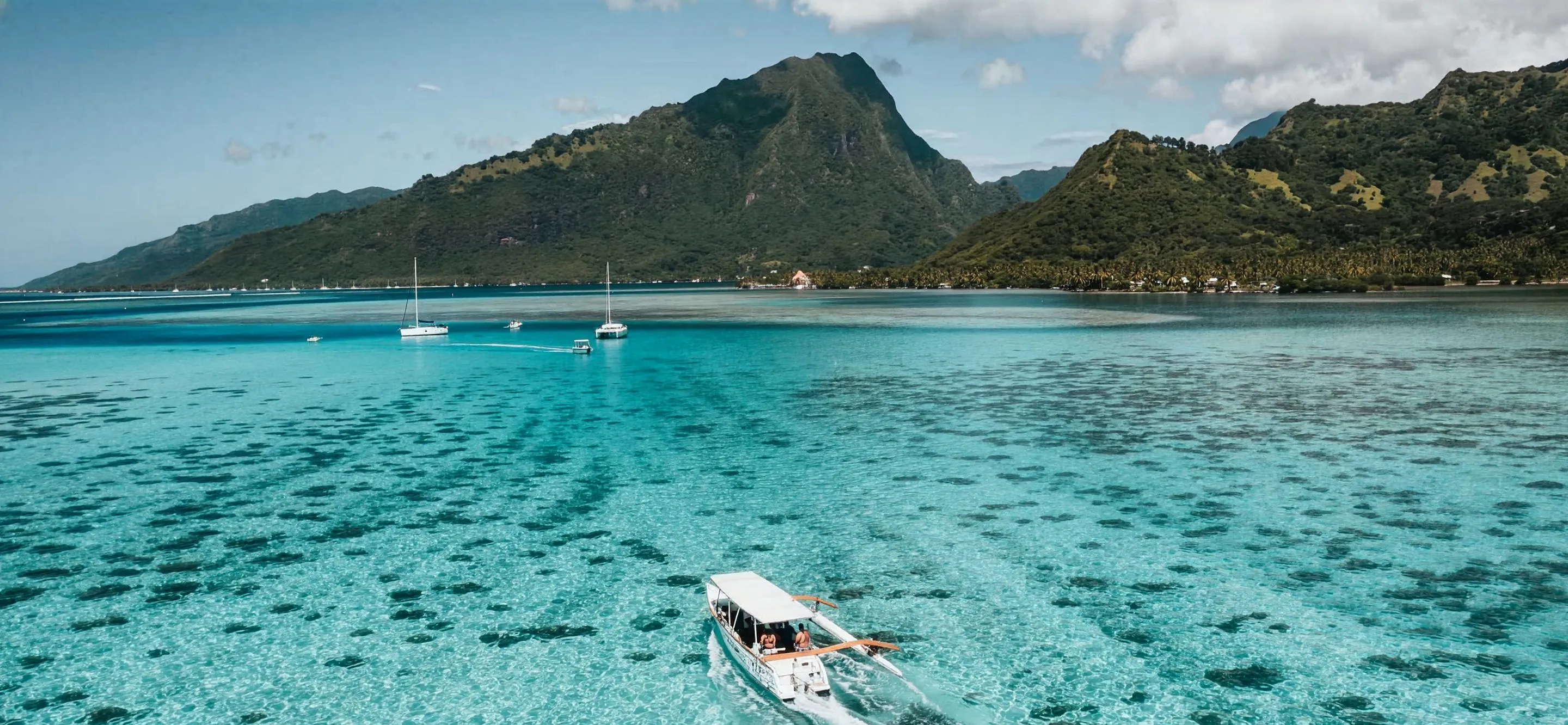
In Marseille, for example, some experiences let you discover the city through its relationship with the Mediterranean, combining heritage with a trip out to sea.
👉 Discover "Marseille, Land and Sea"
The destination then reveals itself as much through the landscapes as through the eyes of the person guiding you.
4. Travel outside peak hours and off the busiest routes
Practising slow travel doesn't necessarily mean avoiding every famous site.
It's entirely possible to visit the must-sees, just differently.
For example, you can:
- visit early in the morning
- choose a quieter time of year
- explore a neighbouring area
- take a parallel street
- opt for a small-group visit
- pair a famous landmark with a local experience
Shifting your timing often means you get far more out of a place.
It also leaves more room for observation and conversation.
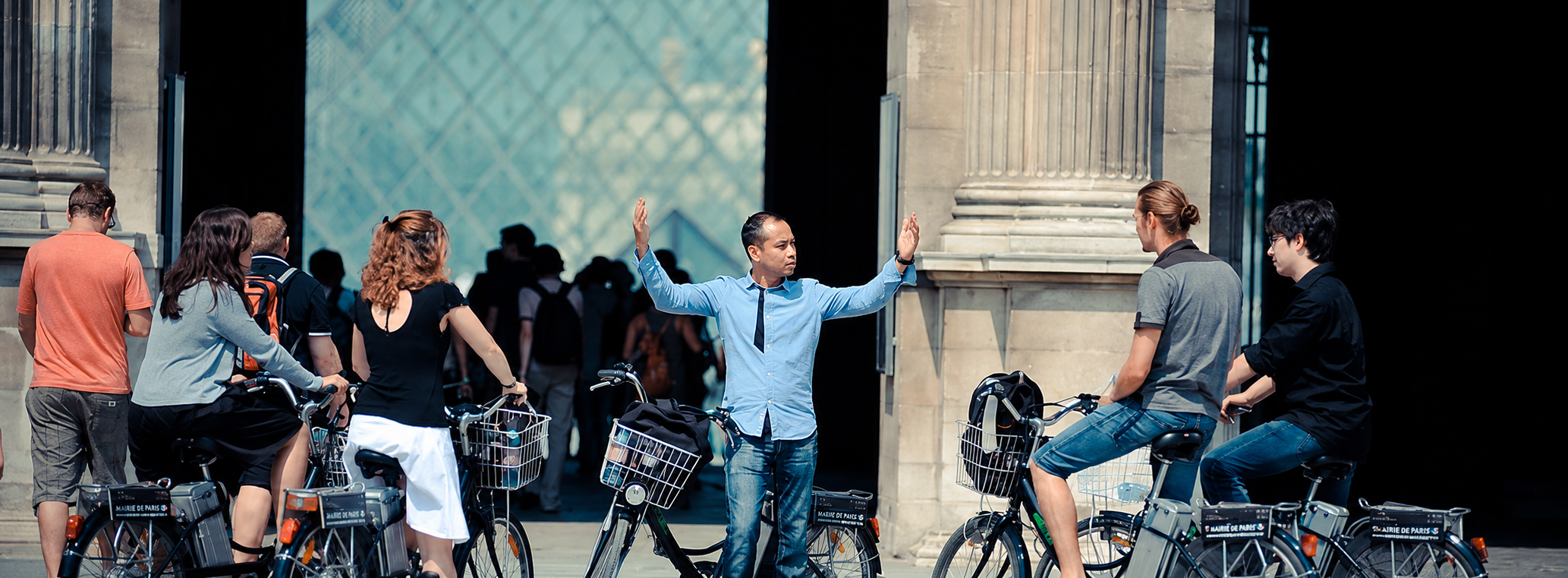
In Paris, for instance, discovering a neighbourhood like Le Marais with someone who's known it for years lets you go beyond the busiest streets to understand its history, its mansions, its gardens and its stories.
👉 Discover Le Marais with a passionate local
5. Taste the destination rather than just eat there
Food plays an important role in slow travel.
A local product often tells you far more than a simple recipe.
It can speak of a climate, a tradition, a craft, or a family history.
Taking the time to discover a destination through its food can mean:
- a market
- a tasting
- meeting a producer
- a workshop
- a food tour
- a meal built around local specialities
In Bordeaux, for example, some experiences combine heritage, neighbourhoods and gastronomy to help you understand the city from several angles at once.
👉 Discover a local experience in Bordeaux
Tasting becomes, in this way, a means of discovering the place itself.
6. Leave room for encounters
A fully planned trip leaves little space for the unexpected.
And yet, some of the best experiences happen precisely when you allow your plans to change.
A conversation might make you want to explore a different neighbourhood.
A guide might recommend a place.
An encounter might lead you to an activity you'd never considered.
Slow travel relies, in part, on staying open like this.
It invites you not to fill every hour of your stay.
It might seem counterintuitive, but leaving free time often means getting more out of the destination.
This is especially true when travelling solo.
A local activity can become a moment of connection during the day, without losing the freedom that comes with solo travel.
7. Look for experiences, not boxes to tick
Traditional tourism is sometimes built around a checklist.
See this monument.
Take that photo.
Walk through this neighbourhood.
Do that activity.
Slow travel proposes a different logic.
Instead of asking:
"What absolutely must I see?"
you can ask yourself:
"What do I actually want to experience?"
The difference matters.
An experience can be far simpler than a major tourist site, and yet leave a much stronger memory.
It could be:
- painting with an artist
- learning a craft
- joining a botanical walk
- exploring a neighbourhood with a local resident
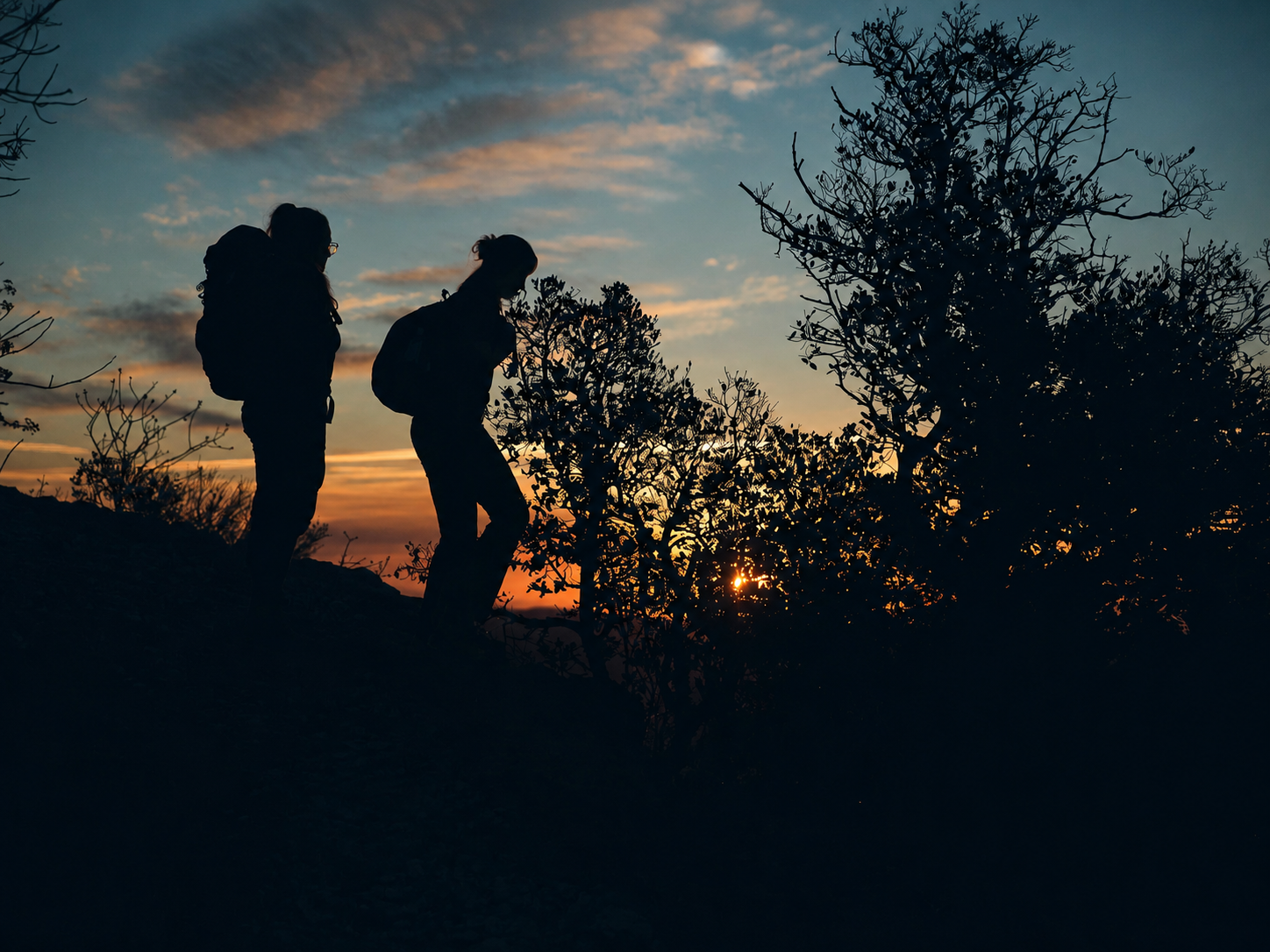
- going hiking
- cooking
- listening to a story
- sharing a moment out at sea
- meeting someone who shares their passion with you
This is exactly the mindset Meet People sets out to champion.
👉 Discover all Meet People experiences
Is slow travel necessarily more responsible?
Slow travel is often associated with responsible tourism, but the two ideas aren't exactly the same thing.
Slow travel is, above all, about how you travel.
It encourages you to:
- slow down
- stay longer in one place
- favour genuine encounters
- better understand the place you're in
- choose local experiences
This approach can naturally support more responsible tourism, particularly when you favour local people and businesses and avoid stacking up lots of separate trips.
But travelling slowly isn't, on its own, enough to make a trip automatically responsible.
Choices around transport, accommodation, activities and consumption matter too.
Can you practise slow travel over just a weekend?
Yes.
This is actually one of the most appealing things about this approach.
Slow travel doesn't depend on the length of your trip.
A weekend can absolutely be approached in a slower, more intentional way.
For example, instead of trying to visit an entire region, you could choose a single city.
You could then:
- explore a neighbourhood in the morning
- have lunch at a local address
- join an experience in the afternoon
- take time to walk at the end of the day
By doing less, you can sometimes end up feeling like you've lived more.
Slow travel can also happen close to home
You don't need to travel far.
Local, nearby travel fits perfectly with the slow travel mindset.
Someone living in Paris can discover a neighbourhood they don't know.
Someone from Bordeaux can join a heritage walk.
Someone from Toulouse can try an experience in their own city.
This allows you to see a place you thought you knew with fresh eyes.
A change of scenery, then, isn't only a matter of distance.
Why do encounters matter so much in slow travel?
Because they let you understand a destination from the inside.
A local person can share information you won't always find in guidebooks.
They can also explain how they experience their own region day to day.
These exchanges often make a trip feel more personal.
They also help move beyond a purely transactional relationship with a destination.
You're no longer simply consuming an activity.
You're sharing a moment.
Slow travel and Meet People: a shared desire to travel differently
Meet People fits naturally into this way of travelling.
The idea behind the platform is to let travellers discover experiences offered by local guides, professionals and enthusiasts.
The starting point isn't just the activity itself.
It's also the person offering it.
Culture, food, nature, sport, creativity or heritage can all become doorways into a place.
For example:
Discover Toulouse with a local
A walk that adapts to what you're in the mood for, blending architecture, food, hidden gems and local life.
👉 Discover "A slice of Toulouse with me"
Discover Marseille, between land and sea
An experience that reveals the connection between Marseille, its heritage and the Mediterranean.
👉 Discover "Marseille, Land and Sea"
Explore Bordeaux differently
An immersion into the Capucins, Sainte-Croix and Saint-Michel neighbourhoods, revealing a livelier, more multicultural side of Bordeaux.
👉 Discover a local experience in Bordeaux
Travelling slower to remember more
Slow travel doesn't necessarily mean completely changing the way you travel.
It can start with very simple choices.
Do one activity less.
Walk more.
Stay an extra day.
Talk to someone.
Eat local.
Choose an experience led by someone passionate about what they do.
These are often the moments that become the strongest memories.
Travelling differently, then, doesn't necessarily mean travelling further.
It mainly means taking more time to look, to understand, and to connect with others.
Discover Meet People
Meet People lets you discover experiences offered by local guides, professionals and enthusiasts all across France.
The goal is to make travel more human by helping travellers discover a destination through the people who know it and bring it to life.
👉 Discover all Meet People experiences